
Dry eye can cause burning, irritation, blurry vision, or discomfort that keeps coming back. Sometimes it is triggered by screen use, the environment, or changes in your tear film. At McCormack Optometric Centre, we assess the cause of your symptoms and recommend care based on what your eyes actually need.
Assessment and Care for Dry Eye Symptoms


Answers for Persistent Dry Eye Symptoms
Dry eye is not always something that improves on its own. If your eyes often feel irritated, watery, tired, or uncomfortable, a proper eye exam can help identify what is causing it and what may bring more lasting relief.
Our team carefully reviews your symptoms, explains what we find, and recommends treatment based on how dry eye is affecting your daily comfort and vision.
When You Should Book a Dry Eye Assessment
Some patients are unsure whether dry eye is serious enough to warrant assessment. Others have been trying drops or short-term solutions for months without much improvement.
Many patients seek assessment after trying drops or short-term solutions that do not provide lasting relief. If this is happening regularly, it should be assessed properly.
You may benefit from a dry eye assessment if you experience:
-
Dryness or irritation
-
Burning or stinging
-
Watery eyes
-
Blurred or fluctuating vision
-
Discomfort with screen use or reading
-
Contact lens discomfort
An assessment does more than confirm that your eyes feel dry. It helps identify why your symptoms are occurring, whether the eye condition is ongoing, and what steps to take next.

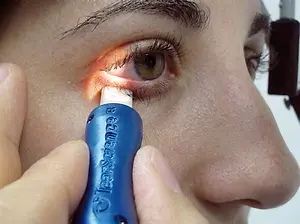
Dry Eye Is Often More Than Temporary Irritation
Dry eye can be an ongoing condition rather than a short-term irritation. Symptoms may come and go, but the underlying cause can remain.
That is why repeated discomfort should not be ignored. Your optometrist can evaluate your tear film, eyelids, and meibomian glands to understand what may be contributing to your symptoms.
Dry Eye Assessment Supported by Forty Years of Clinical Experience
Dry eye care at McCormack Optometric Centre begins with a comprehensive assessment. Your optometrist reviews your symptoms, examines the surface of your eyes, and looks at the factors contributing to your discomfort.
We may also assess the health of your meibomian glands, which help produce the oils that keep tears from evaporating too quickly. This helps us better understand whether your symptoms are linked to inflammation, blocked glands, tear instability, or another issue.


Dry Eye Treatment Options at McCormack Optometric Centre
Not every patient needs the same type of treatment. Dry eye management depends on the cause of the symptoms, how long they have been present, and how much they are affecting day-to-day comfort.
Treatment may include:
-
Targeted eye drops
-
Sprays or supplements
-
Adjustments to daily eye care routines
Some patients benefit from supportive treatment alone, while others may need a more advanced option. The goal is to recommend what is appropriate, not to apply the same approach to every patient.
Restore Your Natural Comfort with LipiFlow® Thermal Pulsation
For many patients, dry eye is not just occasional irritation. When the oil glands in your eyelids are not working properly, your tears can evaporate too quickly, leaving your eyes feeling dry, uncomfortable, and tired throughout the day.
LipiFlow® is an in-office treatment that targets one of the most common causes of dry eye by helping clear blocked meibomian glands. Instead of only adding temporary moisture, it improves how your tear film functions, leading to more lasting comfort and more stable vision.
If your assessment shows that LipiFlow® may help, we will explain what to expect and whether it is the right next step for your eyes.

Get Your Personalised Plan for Lasting Relief from Chronic Dryness
Dry eye often requires management over time. Some patients improve with supportive care, while others need follow-up and treatment adjustments as symptoms change.
Our goal is not only to reduce discomfort in the moment, but to improve long-term comfort and help keep your eyes more stable throughout the day.
Book a Dry Eye Assessment With One of Our Optometrists
If your eyes feel irritated most days, if your vision is not as stable as it should be, or if basic treatments have not helped enough, booking a dry eye assessment is a practical next step. Our optometrists will assess the cause of your symptoms, clearly explain the findings, and guide you toward treatment options that make sense for your eyes.